 TIME
TIME


The implementation methods of verification code login on websites can be summarized in the following ways in English:
1、SMS Verification Code Login: Users enter their phone numbers, and the system sends a verification code via SMS to the phone. Users then enter the code to complete the login.
2、Email Verification Code Login: Users enter their email addresses, and the system sends a verification code to their email inbox. Users need to retrieve the code from their email and enter it to complete the login process.

3、Voice Verification Code Login: This method involves receiving a verification code through an automated voice call instead of SMS or email. Users provide their contact information, and a pre-recorded message with the verification code is played on their phone.
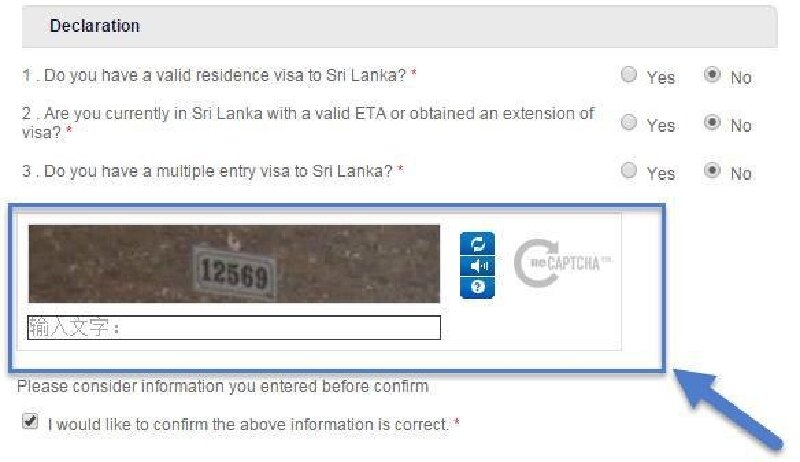
4、Image Recognition Verification Code Login: This method involves recognizing a distorted image or solving a simple puzzle to verify that the user is not a robot. It often includes recognizing distorted letters or numbers in an image or solving a simple math problem.
5、OTP (One-Time Password) Login: This method generates a one-time password for the user to input during the login process. The OTP can be sent via SMS, email, or generated through mobile apps or hardware tokens.
6、Behavioral-Based Authentication: Instead of relying on traditional credentials or one-time codes, this method analyzes user behavior such as login history, device information, and location to determine if the login attempt is legitimate.
These are some common methods for implementing verification code login on websites. The choice of method depends on the specific requirements and security needs of the website.